



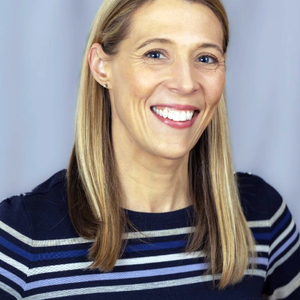
Peggy Mycek Zoccola
My research integrates psychological and biological levels of analysis by applying social and emotional theories to the context of stress and health. Specifically, I focus on how cognitive processes such as rumination may influence physiological stress responses and sleep—two major health-relevant processes associated with morbidity and well-being. My work also aims to identify individual- and situation-level characteristics that may promote or prevent perseverative cognition (e.g., worry or rumination) and prolong physiological responses. For example, are some individuals predisposed to ruminate in response to stressors? Or, are certain types of stressors more likely to elicit rumination?
Primary Interests:
- Emotion, Mood, Affect
- Health Psychology
- Interpersonal Processes
- Personality, Individual Differences
- Self and Identity
- Social Cognition
Research Group or Laboratory:
Note from the Network: The holder of this profile has certified having all necessary rights, licenses, and authorization to post the files listed below. Visitors are welcome to copy or use any files for noncommercial or journalistic purposes provided they credit the profile holder and cite this page as the source.
Image Gallery
Books:
Journal Articles:
- Dickerson, S. S., Mycek (Zoccola), P. J., & Zaldivar, F. (2008). Negative social evaluation, but not mere social presence, elicits cortisol responses to a laboratory stressor task. Health Psychology, 27(1), 116-121.
- Lam, S., Dickerson, S. S., Zoccola, P. M., & Zaldivar, F. (2009). Emotion regulation and cortisol reactivity to a social-evaluative speech task. Psychoneuroendocrinology, 34(9), 1355-1362.
- Lang, J. C., Peters, B. J., Tudder, A. T., Gresham, A. B., Zoccola, P. M., & Allan, N. (2024). Conflicting patterns of cardiovascular reactivity, self-report, and behavior associated with social anxiety during a conversation with a close friend. Psychophysiology, 61(10), e14629.
- Revenson, T. A., & Zoccola, P. M. (2022). New instructions to authors emphasize open science, transparency, full reporting of sociodemographic characteristics of the sample, and avoidance of piecemeal publication. Annals of Behavioral Medicine, 56(5), 415-417.
- Schlotz, W., Yim, I. S., Zoccola, P. M., Jansen, L., & Schulz, P. (2011). The Perceived Stress Reactivity Scale: measurement invariance, stability, and validity in three countries. Psychological Assessment, 23(1), 80-94.
- Zoccola, P. M., & Bryan, Angela D. (2023). Sexual orientation and gender identity minority health in behavioral medicine: An introduction to the continuing series. Annals of Behavioral Medicine, 57(12), 1001-1003.
- Zoccola, P. M., Dickerson, S. S., & Lam, S. (2009). Rumination predicts longer sleep onset latency after an acute psychosocial stressor. Psychosomatic Medicine, 71(7), 771-775.
- Zoccola, P. M., Dickerson, S. S., & Yim, I. S. (2011). Trait and state perseverative cognition and the cortisol awakening response. Psychoneuroendocrinology, 36(4), 592-595.
- Zoccola, P. M., Dickerson, S. S., & Zaldivar, F. P. (2008). Rumination and cortisol responses to laboratory stressors. Psychosomatic Medicine, 70(6), 661-667.
- Zoccola, P. M., Green, M. C., Karoutsos, E., Katona, S. M., & Sabini, J. (2011). The embarrassed bystander: Embarrassability and the inhibition of helping. Personality and Individual Differences, 51(8), 925-929.
- Zoccola, P. M., Manigault, A., Decastro, G., Taylor, C., & Dickerson, S. S. (2024). The role of social-evaluative threat for cortisol profiles in response to psychosocial stress: A person-centered approach. American Psychologist.
- Zoccola, P. M., Quas, J. A., & Yim, I. S. (2010). Salivary cortisol responses to a psychosocial laboratory stressor and later verbal recall of the stressor: The role of trait and state rumination. Stress, 13(5), 435-443.
Other Publications:
- Dickerson, S. S., & Mycek (Zoccola), P. J. (2007). Health psychology. In R. F. Baumeister & K. D. Vohs (Eds.), The encyclopedia of social psychology (Vol. 1, pp. 415-419). Thousand Oaks, CA: Sage.
- Dickerson, S. S., & Zoccola, P. M. (2009). Toward a biology of social support. In C. R. Snyder & S. J. Lopez (Eds.), Oxford Handbook of Positive Psychology (2nd ed., pp. 519-526). New York: Oxford University Press.
Peggy Mycek Zoccola
Psychology Department, 200 Porter Hall
Ohio University
Athens, Ohio 45701
United States of America
- Phone: (740) 597-3300
